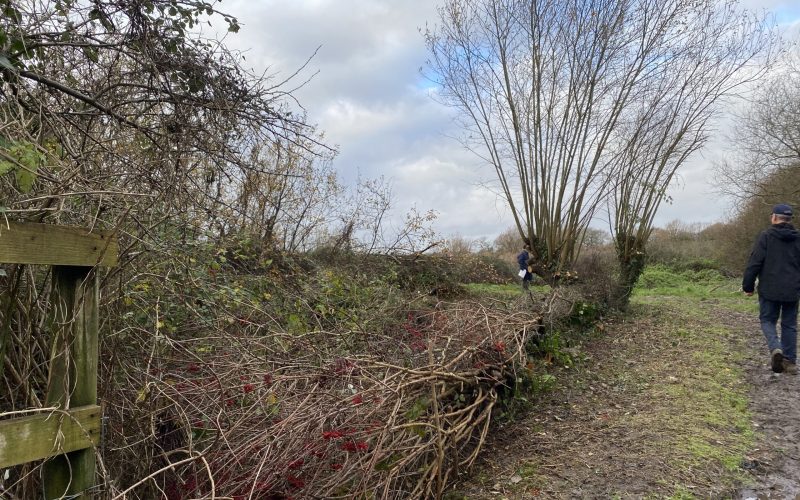
Spending time outdoors is one of the greatest joys of living in our area. From peaceful Strawberry Line walks and field rambles to volunteering days with YACWAG, our local countryside offers so much to enjoy. Fresh air, birdsong, wildflowers, nature and wide open skies are good for the body and soul.
As we head out to explore, it’s important to be aware of one small but significant risk in grassy and wooded places: ticks, and the possibility of Lyme disease.
What is Lyme disease?
Lyme disease is a bacterial infection transmitted through the bite of an infected tick. According to Lyme Disease UK, infected ticks have been found in every county in the UK. You don’t need to be near deer or livestock to be bitten, and ticks can be active throughout the year, not just in summer.
Ticks are tiny spider-like creatures that live in long grass, leaf litter and woodland undergrowth. They don’t jump or fly, but they can latch onto clothing or skin as we brush past vegetation. Given the beautiful meadows and longer grass in parts of our local nature reserves, it’s something we should all keep in mind – without letting it put us off enjoying these special places.
What to look out for
Ticks can be as small as a poppy seed, so they’re easy to miss. After time outdoors, especially if you’ve walked through long grass, it’s important to:
- Check yourself carefully, including behind knees, around the waist, under arms, and along the hairline.
- Check children thoroughly.
- Check pets, as they can carry ticks into the home.
- Brush off any ticks that are still crawling and not attached.
If a tick has attached, it may look like a small dark bump on the skin.
In the days and weeks after a bite, watch for symptoms. The most well-known sign of Lyme disease is a circular, expanding red rash (sometimes described as a “bull’s-eye” rash), but it doesn’t always look like a perfect ring. The rash, if you get one, does not itch or feel sore although some people may also experience flu-like symptoms such as fatigue, fever, headache, muscle aches or joint pain.
If you notice a rash or begin to feel unwell after a tick bite, contact your GP and mention the bite and your time outdoors.
How to reduce your risk
Enjoying nature safely is all about simple precautions:

- Wear a long-sleeved top and tuck trousers into socks when walking in long grass or bracken.
- Choose light-coloured clothing so ticks are easier to spot.
- Stick to well-defined paths where possible.
- Use an insect repellent that is effective against ticks.
- Carry a pair of fine-pointed tweezers or a tick removal tool when heading out.
These small steps can significantly reduce the chance of a tick attaching.
How to remove a tick safely
If you find an embedded tick, remove it as soon as possible. Prompt removal reduces the risk of infection.
Here’s how:
- Use fine-tipped tweezers or a proper tick removal tool.
- Grasp the tick as close to the skin as possible.
- Pull upwards slowly and steadily – try not to twist or jerk.
- Once removed, clean the bite area with antiseptic or soap and water.
- Wash your hands.
Avoid squeezing the tick’s body, using petroleum jelly, nail varnish or heat. These methods are not recommended and may increase risk.
There is no proven minimum time that a tick needs to be attached to transmit infection, so removing it promptly and correctly is key.
Enjoy the countryside with confidence
It’s important to remember that while Lyme Disease is serious, it is still relatively uncommon compared to the number of people who safely enjoy the outdoors every day. Being aware and prepared allows us to keep enjoying local nature with confidence.
Our local YACWAG reserves are wonderful havens for wildlife and people alike. Long grass supports insects and birds; woodland leaf litter nurtures fungi and invertebrates. These habitats are part of what makes our countryside so special – and with a little tick awareness, we can continue to appreciate them safely.
So please don’t let concern keep you indoors. Get out for that walk, join a work party, bring the family to explore. Just remember to check for ticks afterwards, especially after time in longer grass, and act promptly if you find one.
By staying informed and taking simple precautions, we can protect ourselves while continuing to celebrate and care for the nature on our doorstep.