Building a Slow Worm Hibernaculum at Cobthorn Reserve
Creating cosy winter homes for wildlife
At Cobthorn Reserve, volunteers from the YACWAG team have built three slow worm hibernacula –cosy underground refuges designed to help reptiles survive the colder months.
A hibernaculum is essentially a safe winter shelter where animals can rest during cold weather when food is scarce and temperatures drop. For species like slow worms, which cannot regulate their body temperature, these protected spaces are essential.

Digging In – Hard Work Pays Off
The first challenge was simply getting the hole dug. The ground at Cobthorn was set almost as hard as concrete, so a pickaxe was needed to break through the surface before we could start shaping the pit.
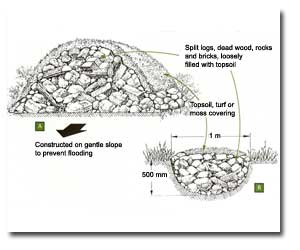
Once we had made progress, the design followed a simple plan: the hibernaculum is partly underground and partly above ground, creating a layered structure with plenty of gaps and hiding spaces.
Before filling began, the materials were gathered and stacked ready to go into the hole – a mixture of wood, stones and other natural materials that would create insulated spaces for wildlife.
What Goes Into a Hibernaculum?
A good hibernaculum contains a mix of materials that create air pockets, insulation and drainage. At Cobthorn we used:
The larger materials go in first to create cavities, with smaller materials filling the gaps. Finally, soil and turf are placed on top so the mound blends naturally into the landscape.
- Logs and branches
- Stones and rubble
- Smaller sticks and woody debris
- Soil and turf to cover the structure
The result is a cosy underground maze of spaces where animals can shelter safely.
Not Just for Slow Worms
Although these structures are built with slow worms in mind, they often become mini wildlife hotels.
They can also be used by:
- Newts
- Toads
- Invertebrates such as beetles and spiders
- Occasionally other small reptiles or amphibians
By creating sheltered, frost-free spaces, hibernacula support a wide range of species that need safe places to hide during winter.
Why Slow Worms Need Our Help
The Slow Worm is actually a legless lizard, not a snake. These gentle reptiles are common in gardens and nature reserves but rely heavily on places where they can hide, bask and hibernate.
In tidy landscapes where logs, stones and compost heaps are removed, suitable shelters can be scarce. Creating a hibernaculum helps replace these lost habitats.
Could You Build One in Your Garden?
The good news is that a wildlife hibernaculum is simple to create at home, even in a small garden.
Here is a basic guide:
1. Choose the right spot
Pick a quiet corner that will not be disturbed, ideally somewhere with some sun but also cover.
2. Dig a pit
Around 40–60 cm deep is ideal, though depth can vary depending on soil conditions.
3. Add larger materials first
Place logs, stones or bricks at the bottom to create gaps.
4. Fill with mixed natural material
Add branches, bark, twigs and leaf litter to create layers.
5. Cover with soil and turf
Create a small mound above ground level. This helps insulation and drainage.
6. Leave it undisturbed
Nature will take over.
The Benefits for Wildlife
Building a hibernaculum can:
- Provide winter shelter for reptiles and amphibians
- Increase biodiversity in gardens and reserves
- Offer habitat for insects and other invertebrates
- Create a natural feature that blends into its surroundings
Even a small structure can make a big difference.
Small Actions, Big Impact
The three new hibernacula at Cobthorn show what can be achieved with a bit of effort (and sometimes a pickaxe!). By creating these simple shelters, we are helping wildlife survive the toughest months of the year.
Just as importantly, projects like this show that anyone can help nature. A corner of a garden, a few logs and some stones may be all it takes to create a refuge that wildlife will use for years to come.
Sometimes the best way to support nature is simply to build a cosy hole and let nature move in.