Development is putting pressure on open land all over the country and wildlife is being squeezed out. Not since the post-war building boom has there been such a rush to build houses over green fields.
We live in a particularly pressurised area. Proximity to Bristol brings commuters as well as people fleeing the cities to enjoy a rural life with a lower crime rate and cleaner air. Who can blame them? This is a lovely place to live! In a neat reversal some of our wildlife is finding its way back into the cities. It is much easier to see foxes there than in our villages. Other wildlife is moving too: peregrine falcons on church towers, swifts in the suburbs. The general picture, however, is relentless decline.
Just up the road we have watched the horrors of Strawberry Mews drag itself out of the mud. Barn owls were feeding there just eighteen months ago, a Soprano pipistrelle bat was dancing around one of the open barns only six months ago and a Greater Horseshoe bat flew past. These species will not adapt to urban life and will not be found around the new housing estate with its intrusive street lighting.
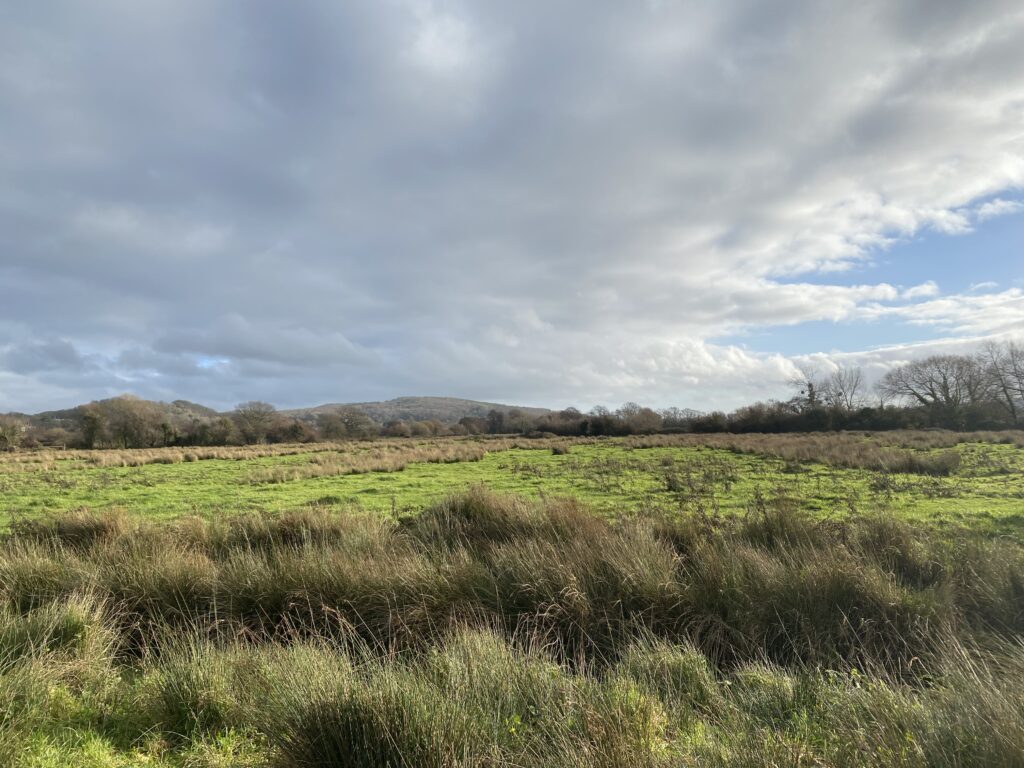
The rate of development makes it even more important for YACWAG to up its game. It is imperative to increase the wildlife value of the habitat over which the charity has some control. We need to make sure there is more land being managed sensitively for nature so that there is no loss of biodiversity. The purchase of five additional fields on Congresbury Moor, which is within Biddle Street Site of Special Scientific Interest (SSSI) is timely. People in Yatton and Congresbury can breathe a sigh of relief that there will be small pockets of land around the villages providing a space for nature. YACWAG’s reserves are a gift to the present, but also the future residents of Yatton and Congresbury.
It will come as no surprise that land is expensive and some of you may be wondering how YACWAG managed to find £324,000 to buy these lovely big fields. However cynical it seems, new developments have to increase biodiversity by at least ten percent. I struggle with the maths to be honest. They build on thirty acres and set aside three acres for wildlife. The wildlife previously foraged over the whole thirty acres so how can those three acres now deliver a ten percent gain? It seems very creative accounting. However, YACWAG has luckily been able to benefit from this Biodiversity Net Gain game. Even better, YACWAG has not facilitated house building, but a much needed SEND school will be built in North Somerset because of our commitment to provide good bat habitat at Cobthorn Paddocks for 80 years.

Paddocks was bought two years ago thanks to a generous gift in a resident’s will. Through the sale of BNG units YACWAG has been able to invest in Congresbury Moor’s five field extension, making up a sizeable block of land. We expect to see barn owls, kestrels and wading birds like snipe using the larger Congresbury Moor Reserve. We will be looking out for dragonflies, butterflies and wild flowers. We will be looking at moths and detecting bats. The fields will be managed for nature for ‘ever’ and provide a bit of breathing space for both wildlife and people for years to come.