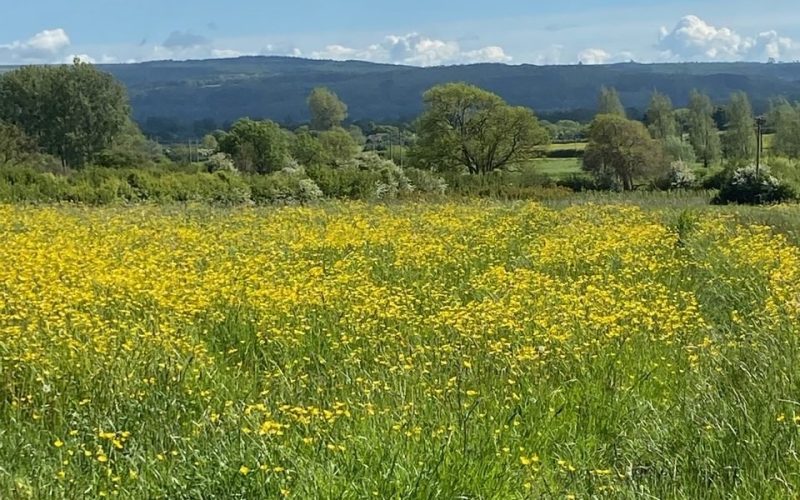
Strawberry Line Bird Survey: Spring Summer 2026
The 2026 Strawberry Line Bird Survey recorded another productive breeding season along the Yatton to Congresbury section, with 922 birds from 39 species observed across six surveys between April and June. An early spring led to earlier nesting and the arrival of migrant species, although bird song diminished by June, contributing to a slight decline in the Breeding Passerine Index compared with recent years. While Wrens remained the most abundant breeding species and encouraging increases were noted for Blackcaps, Reed Warblers and Cetti’s Warblers, some species, including Chiffchaffs, Woodpigeons, Moorhens and Goldfinches, showed lower numbers and will continue to be monitored. Notably, three Grasshopper Warblers were recorded, the highest number documented during the survey.
The survey continues to provide valuable long-term data on the changing bird populations and habitats of the Strawberry Line, highlighting both the benefits of natural habitat development and the impacts of nearby housing construction.

Littlewood Breeding Bird Survey
The 2026 Littlewood Breeding Bird Survey found that, despite only four survey visits being completed due to exceptionally rapid vegetation growth, the reserve continues to support a healthy and stable breeding bird community. Surveyors recorded 197 birds, including 167 passerines, with the breeding passerine index estimated at 209 – very similar to recent years – suggesting the woodland is close to its maximum breeding capacity. Encouraging observations included a male Cetti’s Warbler singing on every visit, indicating probable first-time breeding at the site, while Reed Warblers were recorded nearby and may colonise the reserve in future. A Treecreeper was also recorded, confirming the species remains present.
The survey also highlighted several notable changes in species presence. Rooks were absent after relocating elsewhere, there was no evidence of breeding Ravens, no Sparrowhawks were directly recorded despite signs of predation, and only a single Great Spotted Woodpecker was observed with no indication of breeding. Blackcap, Robin and Wren remained among the most abundant breeding passerines, while bird activity was spread fairly evenly across the three survey sections. Overall, the results indicate that Littlewood continues to provide valuable breeding habitat for woodland birds, with a stable population despite some changes in individual species and the reduced survey effort.

Acknowledgments
Our sincere thanks go to all the volunteers who contributed their time and expertise, particularly Andrea Murray, Sarah Waring, John Croxton, Bob Evans and Jon Thobroe.
We would like to give special recognition to Jon for developing the survey recording system, collating and analysing the data and for his continued support in designing, editing and producing this report. His dedication and technical expertise have been instrumental in maintaining the quality, consistency and long-term value of this important monitoring project.
If you are interested in receiving a copy of either report please contact [email protected] and request a copy to be emailed to you.
Trevor Riddle June 2026